
Lone Star State Takes Step Forward On Medical Cannabis

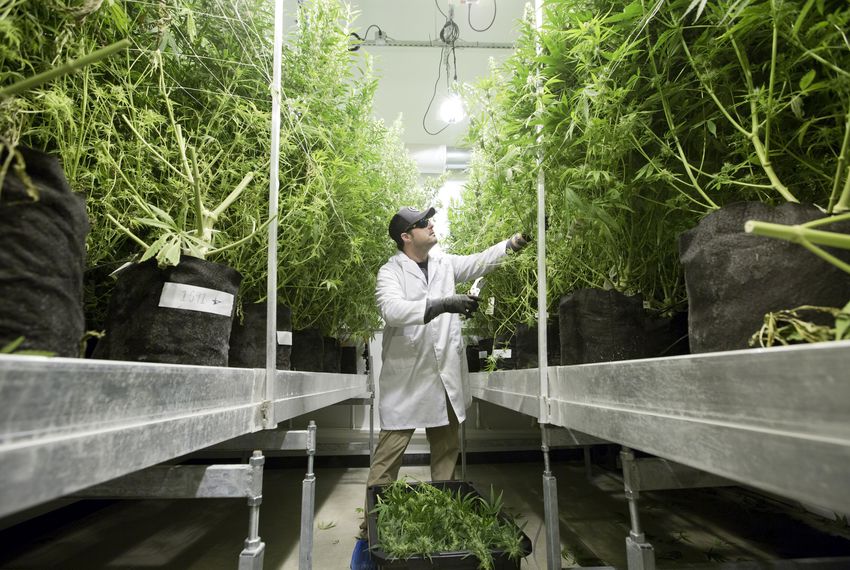
In addition to the current pool, DPS will accept new applications until Sept. 15
The Texas Department of Public Safety (DPS) has released new guidance for the 139 applicants seeking a Dispensing Organization license under the state’s expanded Compassionate Use Program. On Aug. 8, DPS outlined a supplemental application process that all existing applicants must complete by Sept. 15 to remain in consideration. The changes follow the passage of House Bill 46, which broadens patient access to low-THC cannabis and introduces Health Service Regions to improve statewide coverage. Applicants must now submit updated narratives detailing operational plans, statewide coverage strategies, financial documentation, and prioritized region selections. Region 7, which includes Austin, is off-limits due to the presence of existing licensees, while Dallas and Houston’s regions will each receive two licenses.
DPS has indicated that at least nine licenses will be awarded by Dec. 1 through a competitive scoring process, with evaluation evenly weighted across security and infrastructure plans, accountability measures, financial responsibility, and technical ability. Applicants can also update real estate and site control details, address expanded qualifying conditions under HB 46, and strengthen financial capability disclosures to reflect readiness to launch a vertically integrated operation within the law’s 24-month operational deadline. A signed acknowledgment form must also be included in the submission.
In addition to the current pool, DPS will accept new applications until Sept. 15 for three separate licenses that must be awarded in 2026. Unsuccessful applicants from the current process will automatically be considered for these future licenses, meaning new entrants will need to outperform the highest-ranking applicants not selected in 2025. DPS will also establish a waitlist of backup candidates, which it may draw from if a selected licensee fails to meet operational deadlines.
The proposed rules, now subject to public comment via the Texas Register, mark a significant shift in how Texas manages its medical cannabis licensing process. With a stronger focus on statewide patient access, financial stability, and operational readiness, the state’s competitive scoring process is expected to be highly scrutinized as applicants position themselves for one of the limited licenses.