Managers Tighten Surveillance Infrastructure As Cannabis Industry Matures

“A lot of dispensaries might have 30 to 50 cameras just for the retail space”
Ten years ago, it was enough for cannabis companies to maintain a basic surveillance infrastructure, but with most states now allowing either medical or recreational use of the Schedule III drug, that approach has become harder to sustain, says Kevin Brown, business development director at Hanwha Vision America.
“Each state rolls out their own program [so] more people are worried about standardization across their facilities,” Brown told Facilities Dive in an interview. “They’re thinking about long-term plans for security: what that looks like, how they can be more operationally efficient as opposed to just checking the box for compliance.”
Surveillance requirements are strict in every state, he says. “They’re trying to avoid any kind of diversion of product,” said Brown, whose company manufactures cameras and provides the AI-assisted software that goes with them. “They want to make sure none of the legally grown cannabis product makes its way outside of the legal market.”
That means every inch of a company’s operation must be covered by a camera, he said.
“There shouldn’t be an area in the facility where you can take cannabis and not see it on camera,” he said. “Even if it’s a hallway you’re using to transfer from a growing area to a cure room, that movement through the facility needs to be on camera.”
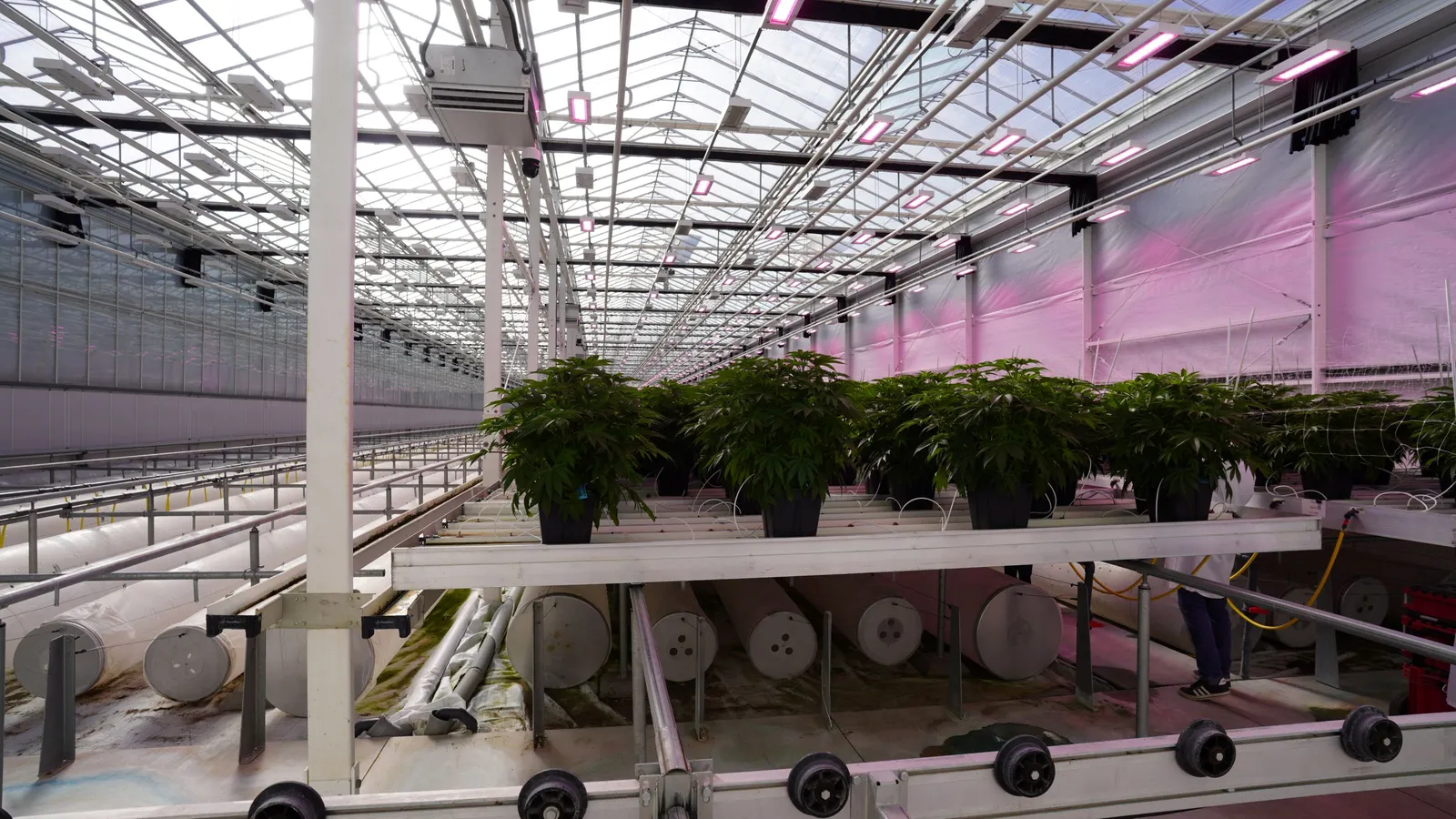
A large, vertically integrated facility might have more than 500 cameras to cover its operations, from cultivation to extraction to packaging to sales, he said.
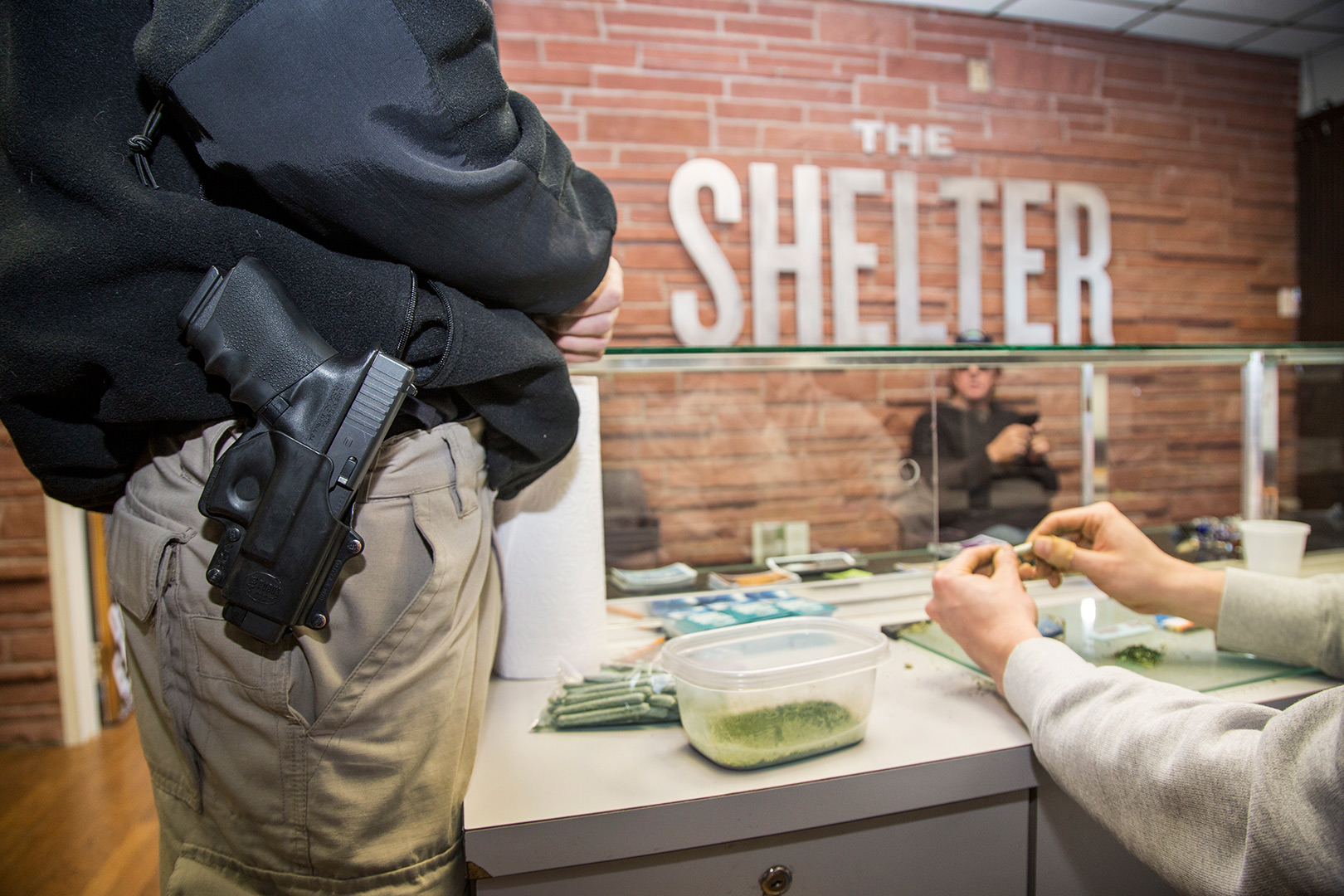
“A lot of dispensaries might have 30 to 50 cameras just for the retail space,” he said.